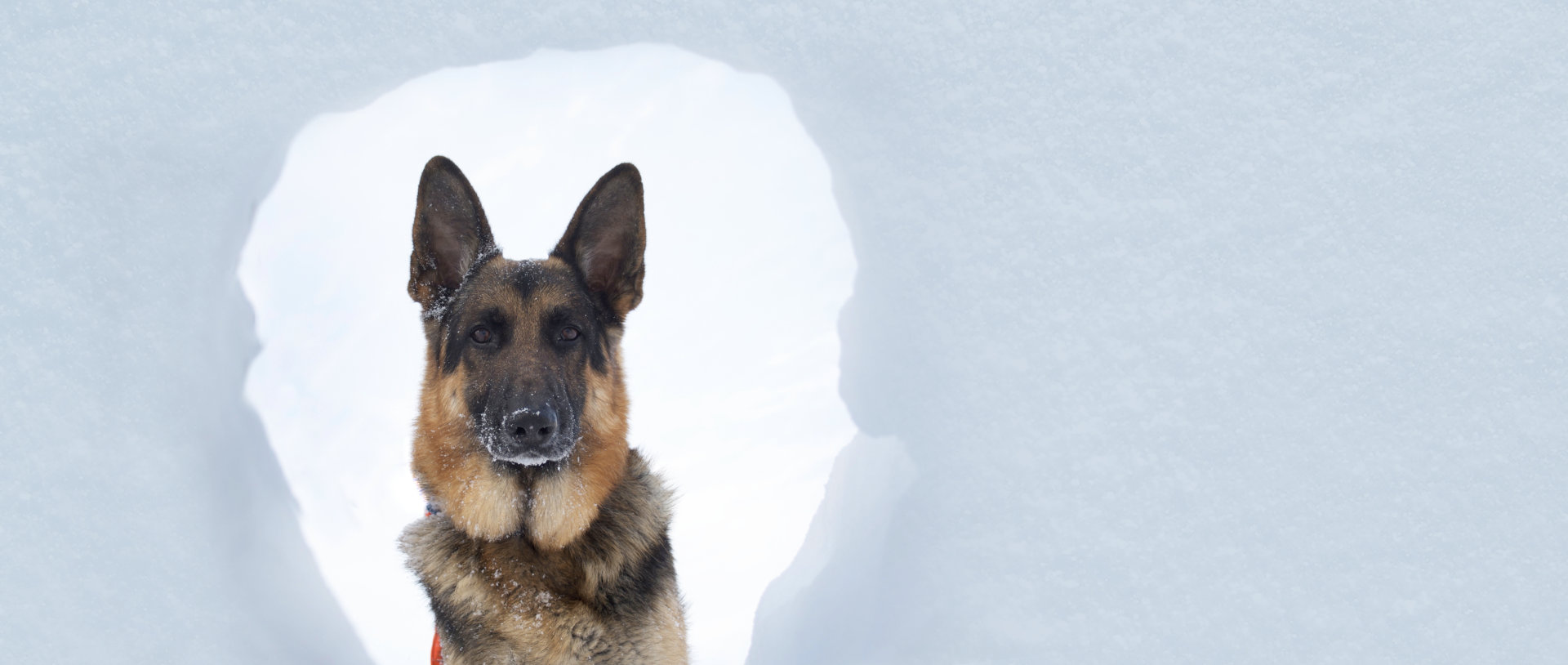
Search Dog, "Shane"
Golden Retriever

Hey Kids!
Download a picture of Shane
that you can color yourself!

Click Here!


Topics in this Section:


Training Dogs & Handlers

Dogs have given us their absolute all. We are the center of their universe.
We are the focus of their love and faith and trust. They serve us in return
for scraps. It is without a doubt the best deal man has ever made.

Roger Caras

The training of a search dog begins early in the dog's life and continues for the working life of the dog. Volunteer dog handlers raise and train their own dogs, spending countless hours preparing for "mission ready" status. Nearly all costs and expenses associated with training are shouldered by the handlers themselves.

Most of the search dogs are specifically selected as puppies for certain traits that will make them good search dogs. Some of the dogs may be dogs that were selected primarily as pets but were later found to have the necessary traits for this type of work. Dogs may come from breeders or they may come from shelters, pounds or breed rescue organizations. Regardless of where they come from, all must possess certain traits or "drives" that show they can be trained and employed reliably on a search. It is preferred that dogs begin training between 8 weeks and two years old. With the amount of time it takes for a new dog and handler team to reach certification level it is not recommended to start with an older dog that may have a very short working life after training.

The dogs are trained in obedience, controlled agility, and to search for and alert their handlers to the presence of human scent in a given search area. Dogs may be taught several forms of trained indications depending on the profiles they are working in.

Through carefully planned steps, a dog is taught to work as an integral part of a team with its handler. Dogs are exposed to many distractions (both sight, sound and scent) and varying conditions while learning to be steady and dependable in any situation. Dogs are expected to work around other dogs, ignore "critters" such as livestock, rabbits, cats and deer, and are conditioned to accept transport in a variety of vehicles including helicopters, planes and various all-terrain vehicles. Dogs are also expected to be able to work under control both on and off leash.

The dogs are required to work in rural and wilderness areas (see our Profiles page) as well as a wide variety of urban environments from residential alleys to industrial areas, to building interiors. The dogs are trained to indicate live finds (people), as well as large and small articles (evidence). Optional profiles include tracking and human remains.

Once an appropriate level of consistent success in training has been achieved, the handler may apply for testing by the RCMP. If testing is successfully passed, the dog/handler team can then be called upon to assist in searches.


Pepp takes a leap!


The training of a handler
consists of a nearly constant learning process on the training and handling of search dogs. Over time, a new handler learns to "read his/her dog" - that is, they learn to watch for subtle changes in the dogs body language. The words "trust your dog" take on a whole new meaning as it is the dog who is depended upon to make the finds. The handler learns how best to guide the dog through the search area, and learns how varying terrain, wind, temperature and other environmental factors can affect how a dog works.

Courses are taken in Scent Theory, Search & Rescue Fundamentals, First Aid, Radio Communications, Global Positioning System Operations, Evidence Handling and Courtroom Demeanor. Additional training may be taken in rescue techniques, visual tracking, repelling, wilderness survival and disaster search. Just as for the dog, the training of the volunteer handler is continuous. Both dog and handler are always learning and always striving for better performance.

It takes one to two years to prepare a dog/handler team for certification.

Please also see our Links page for book recommendations and online resources regarding raising and training a search dog.

Back to Top


Home / About Us / Training &How We Do It / Joining The CSDA / Requesting Our Team / Community and Support / Contact Us

Experiencing a problem with our website - e-mail our Site Coordinator
Copyright © 2006 Canadian Search Dog Association
This document is strictly for informational, non-commercial purposes.
Last Modified February 2007